
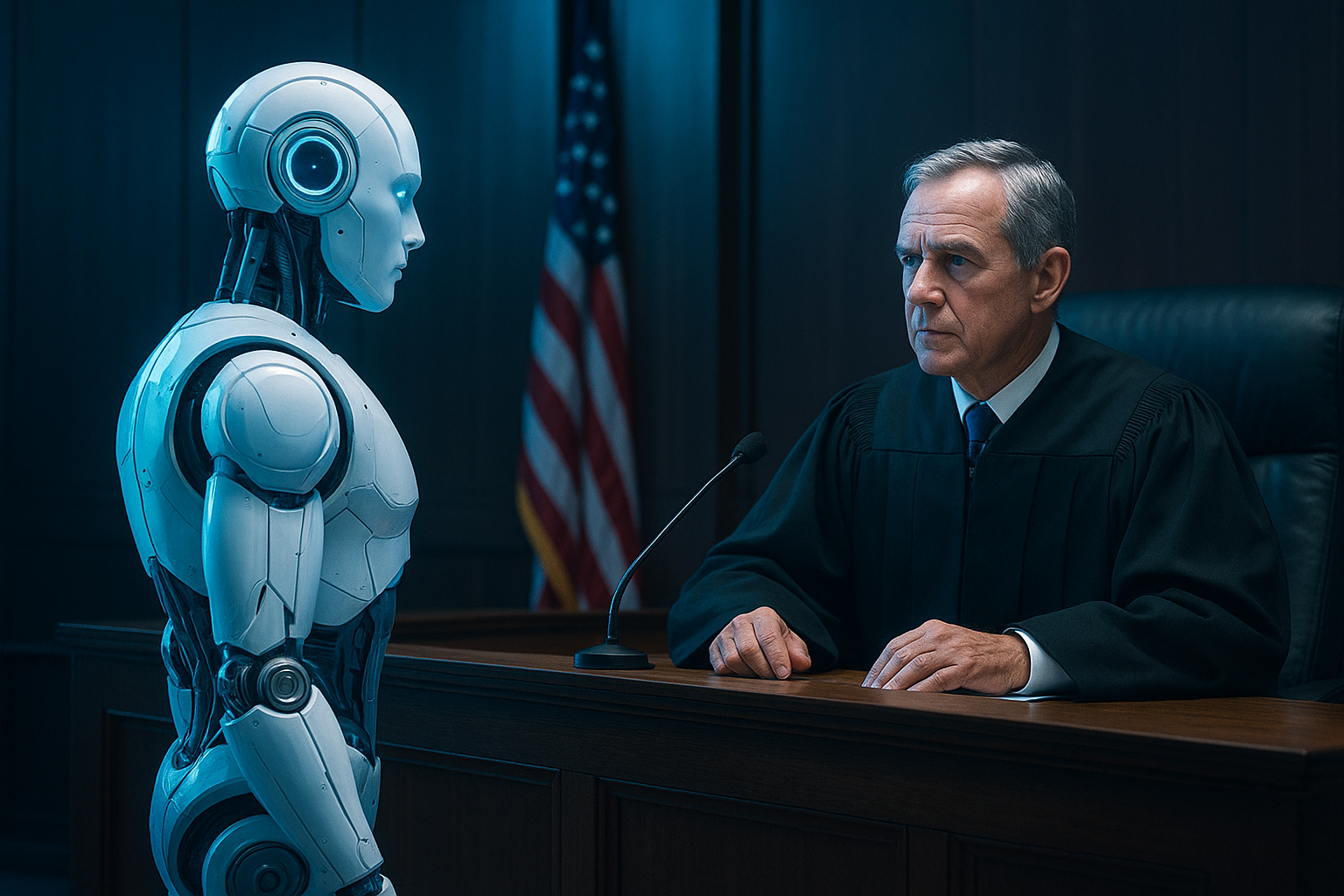
As robots become more integrated into our daily lives—working in factories, hospitals, supermarkets, and public spaces—the pressing question is no longer “What can robots do?” but “How should robots be held accountable when things go wrong?”
Recent incidents involving autonomous robots and artificial intelligence (AI) have ignited global debate. From self-driving cars causing fatal accidents to delivery robots colliding with pedestrians, and AI systems spreading misleading information that harms reputations, it’s clear society is entering a new legal era for non-human entities.
From Tools to Responsible Agents
Technology law experts argue that as robots gain autonomy and make independent decisions, traditional liability laws fall short. If a surgical robot makes a mistake, who bears responsibility—the manufacturer, programmer, operator, or the robot itself? Some European researchers have proposed the concept of an “Electronic Person,” granting robots limited legal status. Under this framework, a robot could face penalties such as suspension of its operating license, deletion of its data, or sealing of its AI system to prevent future harm.
The Importance of Robot Identification and Ethics
Properly managing robot behavior starts with clear identification. Each robot should have an international identification code—akin to a vehicle’s chassis number or an IP address—detailing its origin, owner, and responsible operator. Meanwhile, the emerging field of machine ethics aims to program robots to understand and adhere to social norms: avoiding harm to humans, respecting privacy, and operating within defined objectives.
When Robots Break the Law – Possible Penalties
Since robots lack emotions and personal assets, traditional punishments don’t apply. Proposed measures include:
- Suspending or revoking network access—the digital equivalent of imprisonment
- Revoking operational licenses for AI systems that pose significant risks
- Imposing financial penalties on owners or operators in cases of negligence
- Recording violations in a central registry to impact future operations or business rights
These approaches represent a global shift toward treating robots as “conditionally responsible entities” rather than mere machines.
The Future of Robot Law – Safeguarding Humans and Machines
Countries like Japan, South Korea, and the United States are actively developing legal frameworks for AI and autonomous robots based on two key principles:
- Transparent responsibility: ensuring actions by robots are always traceable to individuals or systems behind them
- Balanced rights: considering whether increasingly intelligent and self-aware robots should be granted basic “machine rights”
Conclusion
As we move into a post-human era, establishing a legal system for robots is not only a technical challenge but also a profound moral and societal evolution. We have created artificial intelligence; now we must define fair rules that govern both humans and machines.
Leave a Reply